Victoria Fusco
Dr. DeathVictoria Fusco is the daughter of FBI agent Leimert Fusco. Diagnosed with a bone tumor as a toddler, she was treated at Sloan-Kettering and apparently recovered. Years later, the cancer returned in a different form, and her decline and death became the personal tragedy that shaped her father’s later actions and suspicions.
Background and First Illness
When Victoria was fourteen, her mother died of breast cancer, leaving Leimert Fusco as her sole parent. Her own earlier cancer diagnosis made that loss especially traumatic for him. A few years before, Victoria had received treatment at Sloan-Kettering for a bone tumor; she had apparently been cured, and the family initially seemed to have come through that illness.
After his wife’s death, Leimert Fusco requested a transfer from the Midtown Manhattan office to an administrative post in Buffalo, explaining that he wanted a quieter environment in which to raise his daughter. He bought a home near Lake Erie. The move was presented as an act of devotion to Victoria rather than a career advancement.
Recurrence and Treatment
When Victoria was sixteen, she developed leukemia. Her doctors apparently attributed the secondary cancer to radiation she had received for the earlier bone tumor. Leimert Fusco took her back to Sloan-Kettering in New York for treatment. She entered remission, relapsed, underwent further chemotherapy, and reached only a partial remission. Experimental drugs brought some improvement, but her physical strength continued to decline.
Her father then arranged for her care to continue at a hospital in Buffalo, closer to home. The plan was to build her strength enough for her to tolerate a bone-marrow transplant in New York. She improved for a time, but chemotherapy had weakened her immune system; she contracted pneumonia, was hospitalized, and died. The account given later characterized her death as neither wholly unexpected nor inevitable.
Death and Its Aftermath
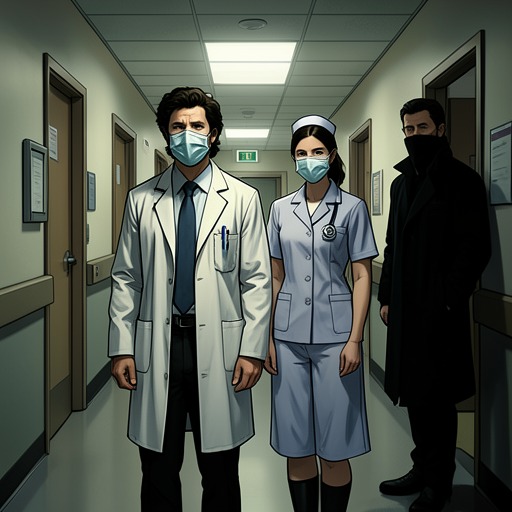
Victoria’s death remained an unresolved wound for her father. Months after Roger Sharveneau began confessing, Leimert Fusco claimed that he recognized Sharveneau from the hospital ward and had seen him in Victoria’s room without a good reason to be there. Fusco came to suspect that Sharveneau, Michael Burke, or both had murdered his daughter. The account establishes Fusco’s suspicion, not that Victoria was in fact murdered.
Fusco tried to interview Sharveneau in jail, but Buffalo police refused permission because the FBI had no standing in the case and Fusco’s interest was personal. He reacted badly to that refusal, persistently harassed Sharveneau’s lawyer, and remained fixated even after Sharveneau’s release and subsequent suicide. Victoria is thus present in the investigation chiefly through the loss that drives her father’s increasingly personal pursuit of an explanation.